

Embark on a journey through the realm of sustainable electric technologies in modern buildings, where innovation meets eco-conscious design to shape the buildings of the future.
As we delve deeper into this topic, a world of energy-efficient solutions and smart technologies unfolds, revolutionizing the way buildings are constructed and operated.
Introduction to Sustainable Electric Technologies in Modern Buildings
Sustainable electric technologies refer to energy-efficient systems and devices that are designed to reduce energy consumption and environmental impact in buildings. These technologies are crucial for promoting environmental sustainability and reducing carbon footprints in modern construction practices.Integrating sustainable electric technologies in modern buildings is essential for reducing energy costs, minimizing greenhouse gas emissions, and improving overall building performance.
By utilizing these technologies, buildings can operate more efficiently, contribute to a healthier environment, and enhance occupant comfort and well-being.
Examples of Sustainable Electric Technologies
- Solar Panels: Solar panels harness sunlight to generate electricity, reducing reliance on traditional energy sources and lowering electricity bills.
- LED Lighting: LED lights consume less energy, last longer, and produce less heat compared to traditional incandescent bulbs, making them a sustainable lighting option for buildings.
- Smart HVAC Systems: Smart heating, ventilation, and air conditioning systems use advanced controls and sensors to optimize energy usage and maintain comfortable indoor environments.
- Energy-Efficient Appliances: Energy Star-rated appliances such as refrigerators, washing machines, and dishwashers are designed to minimize energy consumption and reduce utility costs.
- Electric Vehicle Charging Stations: Installing EV charging stations in buildings promotes the use of electric vehicles, reducing carbon emissions from transportation.
Energy-Efficient Lighting Systems
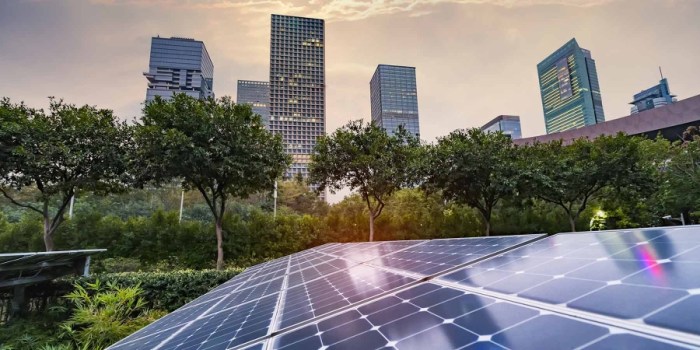
Energy-efficient lighting systems play a crucial role in modern buildings by reducing energy consumption, cutting costs, and lowering carbon emissions. These systems utilize advanced technologies to provide optimal lighting while minimizing wastage.
Benefits of Energy-Efficient Lighting Systems
- Significantly lower energy consumption compared to traditional lighting systems.
- Longer lifespan of bulbs and fixtures, reducing maintenance costs.
- Improved lighting quality and flexibility through dimming and color control options.
- Enhanced occupant comfort and productivity in buildings.
Comparison with Traditional Lighting Systems
- Energy-efficient lighting systems consume up to 80% less energy than traditional incandescent bulbs.
- Traditional lighting systems produce more heat, leading to additional cooling requirements in buildings.
- Energy-efficient options offer a wider range of lighting designs and customization possibilities.
- Long-term cost savings due to reduced energy consumption and maintenance needs.
Smart Lighting Technology for Sustainability
Smart lighting technology integrates sensors, controls, and automation to optimize energy use based on occupancy, daylight, and user preferences. This contributes to sustainability in buildings by:
- Reducing energy waste by automatically adjusting light levels according to natural light and occupancy.
- Enhancing user comfort and productivity through personalized lighting settings.
- Enabling remote monitoring and control of lighting systems for efficient operation.
- Collecting data for further energy optimization and building management improvements.
Solar Power Integration
Solar power integration in modern buildings involves the installation of solar panels on rooftops or facades to harness sunlight and convert it into electricity. This process typically includes mounting the panels, connecting them to an inverter to convert the DC power generated into AC power usable in buildings, and then integrating the system with the existing electrical grid.Using solar panels for electricity generation in buildings offers several advantages.
Firstly, it helps reduce dependence on traditional energy sources, lowering utility bills and providing a more sustainable energy solution. Additionally, solar power systems have minimal environmental impact compared to fossil fuel-based energy generation, contributing to a greener and cleaner environment.
Moreover, solar panels require low maintenance and have a long lifespan, making them a cost-effective investment in the long run.
Innovative Solar Power Integration Designs
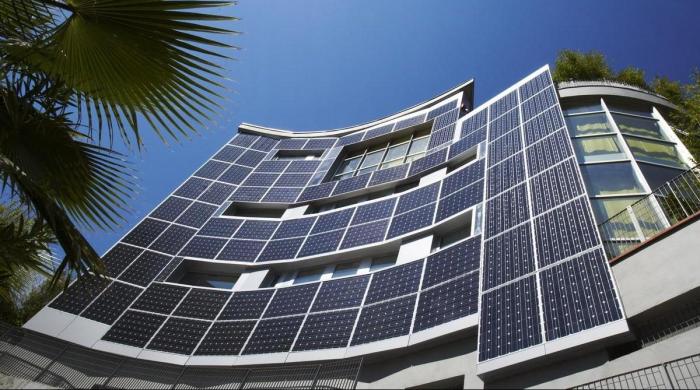
One innovative design for solar power integration in sustainable buildings is the use of building-integrated photovoltaics (BIPV)
This approach not only maximizes energy production but also enhances the aesthetic appeal of the structure.Another example of innovative solar power integration is the implementation of solar tracking systems. These systems allow solar panels to follow the sun's path throughout the day, optimizing energy capture and increasing overall efficiency.
By adjusting the angle of the panels to receive maximum sunlight, solar tracking systems can significantly improve electricity generation from solar power, making them a valuable addition to modern sustainable buildings.
Smart HVAC Systems
Smart HVAC systems play a crucial role in enhancing energy efficiency within modern buildings. By incorporating advanced technology, these systems are designed to optimize heating and cooling processes, ultimately leading to a significant reduction in energy consumption.
Optimized Heating and Cooling
Smart HVAC systems utilize sensors and smart algorithms to monitor and adjust temperature levels according to real-time data. By analyzing factors such as occupancy, outdoor weather conditions, and internal heat gain, these systems can efficiently regulate heating and cooling, avoiding unnecessary energy wastage.
Energy Consumption Reduction
Through precise control and automation, smart HVAC systems can minimize energy usage by only operating when needed. This results in lower electricity bills and a decreased carbon footprint for buildings, contributing to a more sustainable environment.
Examples of Sustainable Projects
- One prominent example is the Edge, a smart building in Amsterdam that features a cutting-edge HVAC system. This system adjusts airflow and temperature based on occupancy and external conditions, leading to a 70% reduction in energy consumption compared to traditional buildings.
- The Bullitt Center in Seattle is another notable project incorporating smart HVAC technologies. By utilizing geothermal heat pumps and natural ventilation strategies, the building achieves net-zero energy status, showcasing the effectiveness of sustainable HVAC solutions.
Building Energy Management Systems (BEMS)
Building Energy Management Systems (BEMS) are centralized systems that monitor, control, and optimize energy usage in modern buildings. These systems play a crucial role in sustainable building operations by providing real-time data on energy consumption, identifying areas of inefficiency, and implementing strategies to reduce energy waste.
Significance of BEMS in Sustainable Building Operations
- BEMS help reduce energy consumption and operational costs by optimizing energy usage based on real-time data.
- These systems enhance occupant comfort by ensuring that heating, cooling, and lighting systems operate efficiently.
- BEMS contribute to environmental sustainability by reducing carbon emissions and overall energy consumption in buildings.
How BEMS Monitor, Control, and Optimize Energy Usage
- BEMS collect and analyze data from various building systems, such as HVAC, lighting, and appliances, to identify patterns and trends in energy consumption.
- Through automated controls and programming, BEMS can adjust settings and schedules to optimize energy usage without compromising comfort or functionality.
- Real-time monitoring allows building managers to identify and address energy inefficiencies promptly, leading to long-term energy savings.
Case Studies of Successful BEMS Implementation
One successful case study is the Empire State Building in New York City, which implemented a BEMS to reduce energy consumption by 38% and save $4.4 million annually.
Another example is the Bullitt Center in Seattle, known as the greenest commercial building in the world, which uses a BEMS to achieve net-zero energy consumption.
Final Wrap-Up
In conclusion, the integration of sustainable electric technologies in modern buildings is not just a trend but a necessity for a greener and more efficient future. By embracing these advancements, we pave the way for a sustainable tomorrow.
Helpful Answers
How do sustainable electric technologies benefit modern buildings?
Sustainable electric technologies help reduce energy consumption, lower utility costs, and minimize environmental impact through efficient energy use.
What are some examples of innovative solar power integration designs in sustainable buildings?
Examples include solar panels integrated into building facades, solar canopies for parking lots, and solar roof tiles that blend seamlessly with the architecture.
What role do smart HVAC systems play in sustainable building projects?
Smart HVAC systems optimize heating and cooling, ensuring energy efficiency and occupant comfort while reducing overall energy consumption in buildings.
How can Building Energy Management Systems (BEMS) contribute to sustainable building operations?
BEMS help monitor and control energy usage, identify areas for improvement, and optimize building performance for enhanced sustainability and cost savings.

