

Embark on a journey into the realm of Electric home appliances with IoT integration, where cutting-edge technology meets everyday household items to revolutionize the way we live. Discover how IoT seamlessly integrates into our appliances, enhancing functionality and convenience in ways we never imagined.
Overview of Electric Home Appliances with IoT Integration
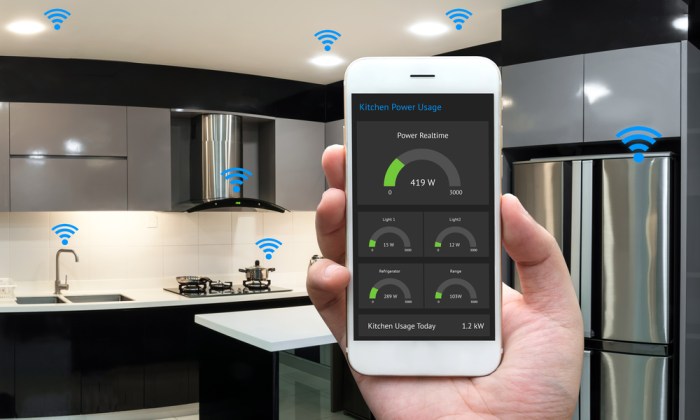
IoT integration in electric home appliances refers to the incorporation of Internet of Things technology to enable these devices to communicate, interact, and be controlled remotely via the internet. This connectivity allows for a seamless integration of smart features and functionalities into traditional household appliances, transforming them into smart devices.
Enhanced Functionality through IoT
IoT technology enhances the functionality of home appliances by providing users with greater control, automation, and efficiency. Through IoT integration, appliances can be remotely monitored and controlled using smartphones or other smart devices. For example, users can preheat the oven on their way home from work or check the status of their washing machine cycle from anywhere with an internet connection.
This level of convenience and accessibility streamlines daily tasks and improves overall user experience.
Benefits of Incorporating IoT in Household Devices
- Energy Efficiency: IoT-enabled appliances can optimize energy consumption based on usage patterns and preferences, resulting in reduced energy bills and environmental impact.
- Remote Monitoring: Users can receive real-time updates and alerts about the status of their appliances, ensuring timely maintenance and troubleshooting.
- Enhanced Convenience: Automation features such as scheduling tasks or setting personalized preferences make daily chores more convenient and hassle-free.
- Data Insights: IoT integration allows for the collection of data on appliance usage, which can be utilized to improve product design, performance, and user experience.
Common Electric Home Appliances Enhanced by IoT
With the advancement of technology, many common electric home appliances have been enhanced by integrating IoT (Internet of Things) features. These smart appliances offer improved performance and a more seamless user experience.
Smart Refrigerators
Smart refrigerators are equipped with sensors and cameras that can monitor and adjust temperature settings, track food inventory, and even suggest recipes based on available ingredients. This IoT integration not only enhances efficiency but also helps reduce food waste.
Smart Thermostats
Smart thermostats allow users to remotely control the temperature of their homes using their smartphones. These devices can learn users' preferences and adjust settings accordingly, leading to energy savings and increased comfort.
Smart Washing Machines
IoT-enabled washing machines can be controlled remotely, schedule wash cycles during off-peak hours to save energy, and even notify users when detergent levels are running low. These features make laundry chores more convenient and efficient.
Smart Lighting Systems
Smart lighting systems can be programmed to adjust brightness and color temperature based on the time of day or user preferences. They can also be controlled remotely, helping to save energy and create a more comfortable living environment.
IoT Integration in Kitchen Appliances
IoT integration in kitchen appliances has revolutionized the way we cook, store food, and manage our kitchen tasks. By connecting devices to the internet, kitchen appliances like refrigerators, ovens, and coffee makers have become smarter and more efficient than ever before.
Refrigerators
Refrigerators with IoT integration offer features such as inventory management, expiration date tracking, and recipe suggestions based on the items stored inside. These smart refrigerators can notify you when you are running low on groceries or when certain items are about to expire, helping you reduce food waste and plan your meals better.
Ovens
IoT-enabled ovens allow you to preheat your oven remotely, adjust cooking settings from your smartphone, and even receive notifications when your food is ready. With features like recipe recommendations and cooking tutorials, these smart ovens make cooking more convenient and efficient.
Coffee Makers
Smart coffee makers connected to IoT technology can brew your favorite coffee at a specific time, adjust the strength and temperature of your coffee, and even reorder coffee supplies when running low
IoT Integration in Home Climate Control Systems
IoT integration in home climate control systems has revolutionized the way we manage air conditioners, heaters, and smart thermostats. By connecting these appliances to the internet, homeowners can enjoy a range of benefits that enhance comfort, energy efficiency, and cost savings in their smart homes.
IoT in Air Conditioners
IoT-enabled air conditioners allow users to remotely control temperature settings, monitor energy usage, and receive alerts for maintenance issues. These smart devices can adjust cooling levels based on occupancy patterns, weather forecasts, and personal preferences, leading to optimized comfort and reduced energy consumption.
IoT in Heaters
With IoT integration, heaters can be programmed to heat specific zones of the house at different times, ensuring efficient use of energy while maintaining a comfortable environment. Smart heaters can also detect open windows or doors and adjust heating levels accordingly, preventing energy wastage.
IoT in Smart Thermostats
Smart thermostats equipped with IoT capabilities offer advanced features such as learning user preferences, adapting to daily routines, and providing energy usage reports. By analyzing data and utilizing machine learning algorithms, these devices can automatically adjust temperature settings to maximize comfort and minimize energy costs.
Security and Privacy Concerns with IoT-Integrated Appliances
As technology advances and more home appliances become interconnected through the Internet of Things (IoT), it is essential to address the potential security and privacy risks that come with this integration.
Potential Security Risks
- Unauthorized access: Hackers may exploit vulnerabilities in IoT devices to gain access to personal information or control over appliances.
- Data breaches: Insecure connections can lead to the exposure of sensitive data stored by smart appliances.
- Malware attacks: IoT devices can be targeted by malicious software that can disrupt their functionality or compromise security.
Securing IoT-Integrated Devices
To mitigate these risks, several measures can be taken to enhance the security of IoT-integrated appliances:
- Regular software updates: Ensure that devices are running the latest firmware to patch vulnerabilities.
- Strong passwords: Use unique and complex passwords for each device to prevent unauthorized access.
- Network segmentation: Create separate networks for IoT devices to limit their exposure to other connected devices.
Importance of Safeguarding Personal Data
Protecting personal data and privacy is crucial when using connected appliances to prevent:
- Identity theft: Sensitive information stored on IoT devices can be exploited for fraudulent activities.
- Privacy breaches: Unauthorized access to devices can lead to the exposure of personal habits and routines.
Final Thoughts
As we conclude our exploration of Electric home appliances with IoT integration, we have unveiled a world of endless possibilities where technology transforms the ordinary into the extraordinary. From smart kitchens to climate-controlled homes, the future is now within reach with IoT-integrated appliances.
FAQ Insights
How does IoT technology enhance home appliances?
IoT technology allows appliances to connect to the internet, enabling remote control, automation, and data exchange for improved efficiency and convenience.
What are some popular electric home appliances enhanced by IoT?
Popular appliances like refrigerators, ovens, and smart thermostats are often integrated with IoT to provide advanced features and functionalities.
What security measures can be taken to protect IoT-integrated devices?
Securing IoT devices involves using strong passwords, keeping software up to date, and setting up firewalls to prevent unauthorized access.
How does IoT impact energy efficiency in home climate control systems?
IoT-enabled climate control systems can optimize energy usage by adjusting settings based on real-time data, leading to cost savings and reduced environmental impact.

