

Delving into the realm of Electric heating systems with smart thermostats opens up a world of innovative technology and energy-saving solutions. As we navigate through the intricacies of smart thermostats and their impact on heating systems, a fascinating journey unfolds, promising insights that are both enlightening and practical.
Detailing the workings of electric heating systems and the pivotal role smart thermostats play, this exploration aims to shed light on the advantages and nuances of this modern heating solution.
Introduction to Electric Heating Systems with Smart Thermostats
Electric heating systems with smart thermostats combine modern technology with efficient heating solutions to provide a comfortable and energy-saving environment. These systems allow users to control the temperature of their homes remotely and adjust settings based on their preferences and schedule.
Benefits of Using Smart Thermostats in Electric Heating Systems
- Remote Access: Smart thermostats enable users to control the heating system from anywhere using a smartphone or tablet, ensuring optimal comfort and energy savings.
- Energy Efficiency: By learning the user's habits and preferences, smart thermostats can automatically adjust the temperature to reduce energy consumption without compromising comfort.
- Cost Savings: The ability to monitor and adjust heating settings remotely can lead to significant cost savings on energy bills over time.
How Smart Thermostats Enhance Energy Efficiency in Heating Systems
Smart thermostats utilize advanced algorithms and sensors to optimize heating schedules and temperature settings based on factors such as occupancy, weather conditions, and user behavior. By continuously adapting to the environment and user preferences, these thermostats help reduce energy waste and maintain a comfortable indoor climate efficiently.
How Electric Heating Systems Work
Electric heating systems work by converting electrical energy into heat energy to warm up a space. This process involves the use of heating elements, such as electric coils or ceramic plates, that produce heat when electricity passes through them. The heat generated is then transferred to the surrounding air, raising the temperature in the room.
Role of Thermostats in Regulating Temperature
Thermostats play a crucial role in electric heating systems by sensing the ambient temperature and signaling the system to turn on or off to maintain the desired temperature. When the temperature drops below the set point, the thermostat activates the heating system to warm up the room.
Once the temperature reaches the set point, the thermostat signals the system to shut off.
- Thermostats act as the control center for electric heating systems, ensuring that the temperature remains consistent and comfortable.
- They help to reduce energy consumption by only activating the heating system when needed, thus saving on electricity costs.
- Thermostats can be manually set to a specific temperature or programmed to follow a schedule based on the occupants' preferences.
Smart Thermostats vs. Traditional Thermostats
Smart thermostats differ from traditional thermostats in electric heating systems by offering advanced features and capabilities. Unlike traditional thermostats that require manual adjustment, smart thermostats can be controlled remotely via a smartphone app or voice commands.
- Smart thermostats can learn the occupants' behavior and adjust the temperature settings automatically to optimize comfort and energy efficiency.
- They provide real-time data and insights on energy usage, allowing users to track and monitor their heating habits.
- Smart thermostats may also integrate with smart home systems, enabling seamless automation and coordination with other connected devices.
Advantages of Smart Thermostats in Electric Heating Systems
Smart thermostats offer a range of benefits that enhance the efficiency and convenience of electric heating systems. Let's explore some of the key advantages below:
Convenience of Remote Control
Smart thermostats allow users to control their heating systems remotely through mobile apps or voice commands. This feature enables homeowners to adjust the temperature of their homes from anywhere, providing a convenient way to ensure comfort without the need to be physically present.
Cost-Saving Features
One of the significant advantages of smart thermostats is their ability to optimize energy usage and reduce heating costs. These devices can learn the occupants' schedules and preferences, adjusting the temperature accordingly to avoid unnecessary heating when the house is empty
By efficiently managing heating cycles, smart thermostats help homeowners save on energy bills over time.
Enhanced Comfort and Convenience
Smart thermostats contribute to overall comfort by maintaining a consistent temperature throughout the home. With features like geofencing and adaptive learning, these devices can automatically adjust settings based on occupancy patterns, ensuring a comfortable environment without manual intervention. The convenience of personalized heating schedules and temperature presets further enhances the overall experience of using electric heating systems.
Installation and Integration of Smart Thermostats in Electric Heating Systems
Installing smart thermostats in electric heating systems is a great way to enhance energy efficiency and control heating settings remotely. Here is a step-by-step guide on how to install and integrate smart thermostats with existing electric heating systems.
Step-by-Step Guide for Installing Smart Thermostats
- Turn off the power: Before starting the installation process, make sure to turn off the power to your heating system to avoid any electrical accidents.
- Remove the old thermostat: Carefully remove the old thermostat from the wall and disconnect the wires.
- Install the new smart thermostat: Follow the manufacturer's instructions to install the new smart thermostat, ensuring that the wires are connected correctly.
- Connect to Wi-Fi: Once the thermostat is installed, connect it to your home's Wi-Fi network to enable remote access and control.
- Set up the app: Download the app associated with your smart thermostat and follow the instructions to set up schedules and preferences.
- Test the system: After installation, test the smart thermostat to ensure that it is functioning properly and communicating with your heating system.
Integration with Existing Electric Heating Systems
Smart thermostats can be easily integrated with existing electric heating systems to provide more control and efficiency. Most smart thermostats are compatible with a wide range of heating systems, but it's essential to consider the following compatibility factors:
- Compatibility with heating system voltage: Ensure that the smart thermostat is compatible with the voltage requirements of your electric heating system.
- Compatibility with heating system type: Check if the smart thermostat is designed to work with your specific type of electric heating system, such as baseboard heaters or radiant floor heating.
- Compatibility with wiring: Make sure that the wiring of your heating system matches the requirements of the smart thermostat for a successful integration.
- Compatibility with additional features: Consider whether the smart thermostat offers additional features like zoning capabilities or energy usage tracking that align with your heating system's needs.
Ending Remarks
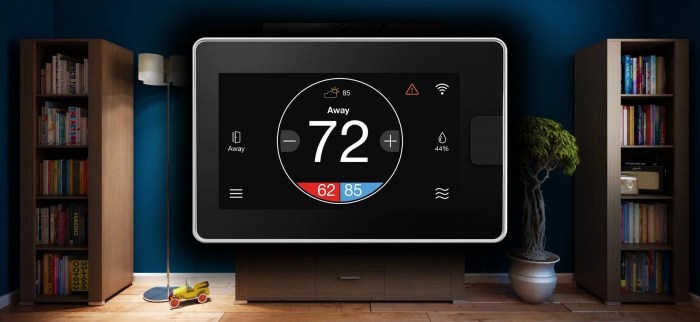
In conclusion, the integration of smart thermostats into electric heating systems represents a significant leap forward in efficiency, cost-effectiveness, and overall comfort. Embracing this technology not only enhances convenience but also contributes to a more sustainable approach to heating our living spaces.
Q&A
How do smart thermostats enhance energy efficiency in heating systems?
Smart thermostats optimize heating schedules based on occupancy patterns and can be remotely controlled to prevent energy wastage.
What factors should be considered when choosing smart thermostats for electric heating systems?
Compatibility with existing systems, ease of integration, and features like geofencing and learning capabilities are crucial considerations.
Can smart thermostats be installed in older electric heating systems?
Yes, smart thermostats can typically be retrofitted into older systems with the help of professional installation services.

