

Delving into Green tech: The rise of clean electric power, this introduction immerses readers in a unique and compelling narrative, with a casual formal language style that is both engaging and thought-provoking from the very first sentence.
As we explore the realm of green technology in the energy sector, we uncover the significance of clean electric power and the challenges that accompany its adoption.
Overview of Green Tech in the Energy Sector
Green technology in the energy sector refers to the use of sustainable and environmentally friendly solutions to generate electricity and power our world. It includes technologies such as solar panels, wind turbines, hydropower, and more, which aim to reduce carbon emissions and mitigate the impacts of climate change.
Importance and Benefits of Clean Electric Power
- Clean electric power plays a crucial role in reducing greenhouse gas emissions, helping to combat climate change and its detrimental effects on the environment.
- By shifting towards renewable energy sources, we can decrease our reliance on fossil fuels, which are finite resources and contribute significantly to pollution and global warming.
- Investing in clean electric power not only promotes sustainability but also creates new job opportunities in the green technology sector, driving economic growth.
- Consumers benefit from cleaner air and water, as well as lower electricity costs in the long run, as renewable energy becomes more cost-effective and accessible.
Key Challenges Faced in Transitioning to Clean Electric Power
- One of the main challenges is the initial high cost of implementing green technology infrastructure, which can be a barrier for many countries and businesses looking to make the switch.
- Intermittency and storage issues with renewable energy sources like solar and wind power pose challenges in ensuring a reliable and consistent electricity supply, especially during periods of low sun or wind.
- Regulatory and policy hurdles can slow down the adoption of clean electric power, as governments need to create supportive frameworks and incentives to encourage investment in green technology.
- The existing energy infrastructure, built around fossil fuels, may need to be upgraded or replaced to accommodate the integration of renewable energy sources, presenting logistical and technical challenges.
Types of Green Technologies
Green technologies play a crucial role in generating clean electric power and reducing our reliance on fossil fuels. Let's explore some of the main types of green technologies used for this purpose.
Solar Power
Solar power involves capturing sunlight and converting it into electricity through the use of photovoltaic cells. This renewable energy source is abundant and sustainable, making it a popular choice for clean power generation.
Wind Power
Wind power harnesses the energy from the wind to generate electricity through wind turbines. This clean and renewable energy source is cost-effective and has minimal environmental impact, making it a key player in the green technology sector.
Hydro Power
Hydro power utilizes the energy from flowing water, such as rivers and dams, to produce electricity. This renewable energy source is reliable and has been used for decades to generate clean power on a large scale.
Geothermal Power
Geothermal power taps into the heat stored beneath the Earth's surface to generate electricity. This clean energy source is highly efficient and provides a constant and reliable power supply, making it a sustainable choice for clean electric power generation.
Advancements in Energy Storage Technologies
In order to support the integration of clean electric power sources like solar and wind into the grid, advancements in energy storage technologies have become crucial. Energy storage solutions such as lithium-ion batteries, pumped hydro storage, and flywheel systems are being developed to store excess energy generated during peak production periods for use during times of high demand, ensuring a stable and reliable power supply.
Impact of Green Tech on the Environment
Adopting clean electric power technologies has significantly contributed to reducing carbon emissions worldwide. By shifting towards renewable energy sources such as solar, wind, and hydroelectric power, we are decreasing our reliance on fossil fuels, which are major contributors to greenhouse gas emissions.
Positive Environmental Implications
The transition to green energy sources brings about several positive environmental implications. One of the most significant benefits is the reduction of air pollution, leading to improved air quality and public health. Additionally, the use of green tech helps conserve natural resources and ecosystems, promoting sustainable development and biodiversity.
Initiatives Promoting Sustainability
- Government subsidies for renewable energy projects encourage businesses and individuals to invest in clean energy solutions, driving the growth of the green tech sector.
- Corporate sustainability programs aim to reduce carbon footprints and promote eco-friendly practices within organizations, fostering a culture of environmental responsibility.
- Community-based initiatives such as tree planting campaigns and waste reduction programs contribute to local environmental conservation efforts, creating a more sustainable future for all.
Green Tech Innovations and Future Trends
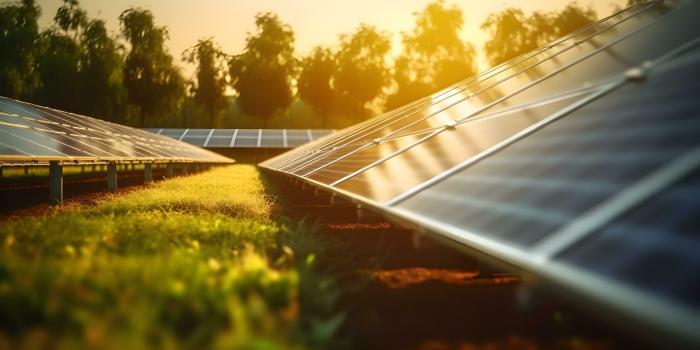
In the realm of green technology, continuous innovations are paving the way for a brighter, cleaner future. These advancements not only enhance the efficiency of generating clean electric power but also contribute to sustainable development goals. Let's delve into some of the latest innovations and future trends shaping the green tech landscape.
Lithium-ion Batteries: Powering the Future
Lithium-ion batteries have emerged as a game-changer in the renewable energy sector. These batteries are crucial for storing energy generated from renewable sources such as solar and wind power. Their high energy density and long lifespan make them ideal for grid-scale energy storage, enabling a more reliable and stable power supply.
Smart Grid Technology: Revolutionizing Energy Distribution
Smart grid technology is transforming the way electricity is produced, distributed, and consumed. By integrating digital communication and automation, smart grids optimize energy delivery, reduce wastage, and enhance overall efficiency. This innovation enables real-time monitoring and control of energy flow, paving the way for a more resilient and sustainable energy infrastructure.
Hydrogen Fuel Cells: A Clean Energy Solution
Hydrogen fuel cells hold immense potential as a clean energy solution for various applications, including transportation and power generation. These cells produce electricity through a chemical reaction between hydrogen and oxygen, emitting only water vapor as a byproduct. With ongoing research and development, hydrogen fuel cells are poised to play a significant role in decarbonizing various sectors and reducing greenhouse gas emissions.
Artificial Intelligence in Energy Management
The integration of artificial intelligence (AI) in energy management systems is revolutionizing the way we optimize energy consumption and reduce carbon footprint. AI algorithms analyze vast amounts of data to predict energy demand, optimize energy usage, and enhance system efficiency.
By harnessing the power of AI, businesses and households can make smarter energy choices, leading to significant cost savings and environmental benefits.
Final Summary
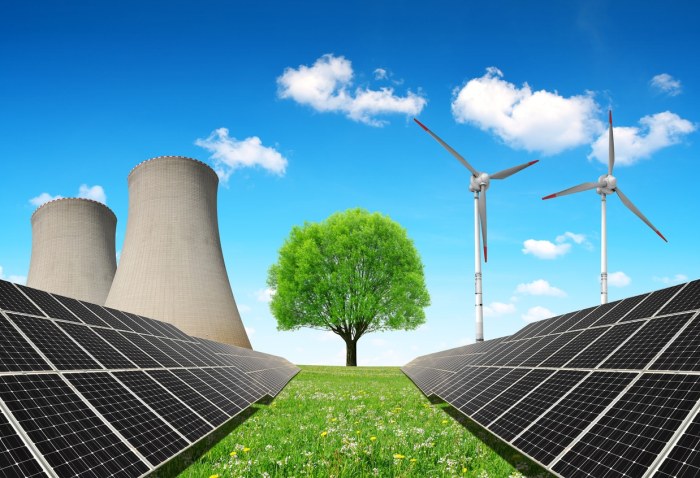
In conclusion, the journey through Green tech: The rise of clean electric power reveals a promising future where sustainability and innovation converge to shape a greener world.
Question Bank
How does clean electric power benefit the environment?
Clean electric power reduces carbon emissions and promotes a healthier ecosystem by shifting away from traditional energy sources.
What are some examples of green energy initiatives promoting sustainability?
Initiatives like community solar projects and energy-efficient buildings showcase the commitment to environmental conservation through green tech.
What role does research and development play in advancing green technology?
Research and development drive innovations in green tech, leading to more efficient and sustainable solutions for clean electric power generation.

