

Smart building automation trends in Europe pave the way for a fascinating exploration into the latest advancements shaping the industry. From innovative technologies to sustainable practices, this topic offers a comprehensive look at the current landscape of smart buildings in Europe.
As we delve deeper into the realm of smart building automation, we uncover key insights that shed light on the driving forces behind this transformative trend.
Overview of Smart Building Automation Trends in Europe
Smart building automation refers to the use of technology to control and monitor various systems within a building, such as heating, ventilation, air conditioning, lighting, security, and more. This technology allows for the centralized management of these systems, leading to improved efficiency, comfort, and sustainability.
Key Drivers Fueling the Adoption of Smart Building Automation in Europe
- The increasing focus on energy efficiency and sustainability in Europe has been a major driver for the adoption of smart building automation. Regulations and initiatives promoting energy conservation have pushed building owners and operators to invest in smart technologies.
- The need for better operational efficiency and cost savings is another key driver. Smart building automation systems can optimize energy usage, reduce maintenance costs, and enhance occupant comfort, leading to overall operational savings.
- The rise of smart cities and the integration of buildings into larger urban systems have also fueled the adoption of smart building automation. The interconnectedness of buildings with other infrastructure allows for more holistic and efficient management.
Benefits of Smart Building Automation in the European Market
- Improved energy efficiency and reduced carbon footprint: Smart building automation systems help optimize energy usage, leading to lower energy consumption and greenhouse gas emissions.
- Enhanced occupant comfort and productivity: By monitoring and controlling building systems, smart automation ensures a comfortable and productive environment for occupants.
- Cost savings and operational efficiency: Automation of building systems leads to lower maintenance costs, reduced energy bills, and overall improved operational efficiency.
Comparison with Other Regions
- Europe has been at the forefront of smart building automation adoption, with a strong focus on energy efficiency and sustainability. The regulatory environment and incentives in Europe have driven widespread implementation of smart technologies.
- In comparison, regions like North America and Asia have also seen growth in smart building automation, but the drivers and priorities may differ. North America, for example, has a greater emphasis on smart technology for security and safety applications.
- Overall, Europe's commitment to sustainability and energy efficiency has positioned it as a leader in smart building automation trends, setting an example for other regions to follow.
Technologies Shaping Smart Building Automation in Europe
The advancement of technology has greatly influenced the landscape of smart building automation in Europe. Let's delve into some of the latest technologies driving this transformation.
IoT Revolutionizing Smart Building Automation
The Internet of Things (IoT) has played a pivotal role in revolutionizing smart building automation in Europe. By connecting various devices and systems through the internet, IoT enables seamless communication and data exchange, leading to enhanced efficiency and control in building operations.
Role of Artificial Intelligence in Optimizing Building Operations
Artificial Intelligence (AI) has emerged as a powerful tool in optimizing building operations. Through AI-powered algorithms, buildings can analyze vast amounts of data in real-time to make informed decisions, improve energy management, predict maintenance needs, and enhance occupant comfort.
Cutting-edge Sensors and Devices Enhancing Smart Building Automation
The integration of cutting-edge sensors and devices has significantly enhanced smart building automation in Europe. For instance, advanced occupancy sensors can detect and adjust lighting, heating, and cooling based on occupancy levels, leading to energy savings and improved comfort for occupants.
Similarly, smart thermostats, air quality sensors, and predictive maintenance tools are transforming the way buildings are managed and maintained.
Sustainable Practices in Smart Building Automation
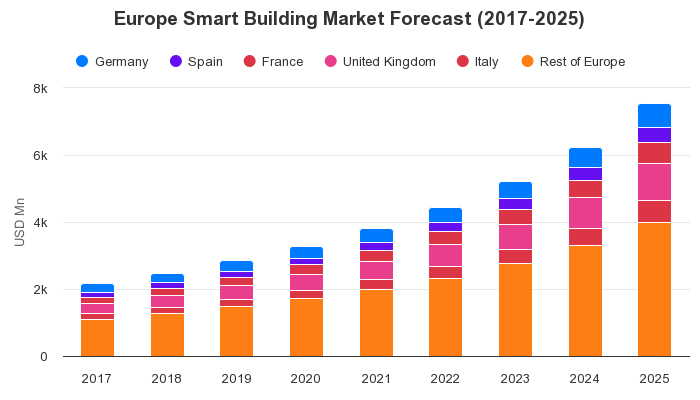
Smart building automation systems in Europe are increasingly incorporating sustainable practices to prioritize energy efficiency and reduce carbon footprints. These practices play a crucial role in creating environmentally friendly and cost-effective buildings.
Integration of Energy Efficiency
- Smart building automation systems optimize energy usage by adjusting lighting, heating, and cooling based on occupancy and environmental conditions.
- Advanced sensors and algorithms enable real-time monitoring and control of energy consumption, leading to significant energy savings.
- Energy-efficient equipment and appliances are integrated into smart buildings to minimize wastage and improve overall performance.
Utilization of Renewable Energy Sources
- Smart buildings in Europe often utilize renewable energy sources such as solar panels, wind turbines, and geothermal systems to generate clean electricity.
- Integration of renewable energy sources reduces reliance on traditional fossil fuels, contributing to a more sustainable energy mix.
- Battery storage systems are employed to store excess energy generated from renewables for later use, enhancing energy resilience and sustainability.
Impact on Carbon Footprints
- Smart building automation significantly reduces carbon footprints by optimizing energy consumption and utilizing renewable energy sources.
- Efficient heating, ventilation, and air conditioning (HVAC) systems play a key role in minimizing greenhouse gas emissions and improving indoor air quality.
- Data-driven insights and predictive maintenance further enhance sustainability efforts by identifying areas for improvement and optimizing operational efficiency.
Security and Privacy Concerns in Smart Building Automation
Smart building automation systems offer numerous benefits, but they also come with potential security risks and privacy concerns that need to be carefully addressed to ensure the safety and protection of data and occupants within the buildings.
Security Risks Associated with Smart Building Automation Systems
- Unauthorized access to building systems and data
- Data breaches leading to sensitive information exposure
- Malware attacks targeting building automation systems
- Physical security vulnerabilities that could compromise building safety
Privacy Concerns in Smart Building Automation
- Collection of personal data without consent
- Potential misuse of data for surveillance purposes
- Risk of data leaks or hacks exposing sensitive information
- Lack of transparency in data handling and sharing practices
Strategies and Technologies for Enhancing Cybersecurity in Smart Building Automation
- Implementing strong encryption protocols for data protection
- Regular security audits and penetration testing to identify vulnerabilities
- Multi-factor authentication for secure access control
- Network segmentation to isolate critical systems from potential threats
Examples of Successful Security Measures in Smart Buildings Across Europe
- Integration of advanced security systems with AI capabilities for threat detection
- Utilization of blockchain technology for secure data transactions and access control
- Collaboration with cybersecurity experts to design and implement robust defense mechanisms
- Continuous monitoring and updates of security protocols to adapt to evolving threats
Final Thoughts
In conclusion, the evolution of smart building automation in Europe showcases a promising future filled with efficiency, sustainability, and enhanced security measures. This dynamic field continues to push boundaries and redefine the way buildings operate in the modern age.
Quick FAQs
What are the key drivers fueling the adoption of smart building automation in Europe?
The key drivers include increased energy efficiency, cost savings, improved occupant comfort, and sustainability goals.
How is IoT revolutionizing smart building automation in Europe?
IoT enables seamless connectivity between devices, allowing for real-time data analysis and automation of building systems for optimal performance.
What role does Artificial Intelligence play in optimizing building operations?
AI algorithms analyze data to predict patterns, optimize energy usage, and enhance overall building performance and comfort.
How are security risks mitigated in smart building automation systems?
Security risks are addressed through encryption protocols, access control measures, regular software updates, and cybersecurity audits.

