

Delve into the realm of personalized health plans and discover the transformative power they hold in shaping the future of healthcare. From tailored approaches to cutting-edge technologies, this topic promises a riveting exploration of what's to come.
Explore the various facets of personalized health plans and how they are revolutionizing the way individuals approach their well-being.
Overview of Personalized Health Plans
Personalized health plans are customized healthcare strategies designed to meet the specific needs and goals of an individual. These plans take into account factors such as medical history, lifestyle choices, genetic predispositions, and personal preferences to create a tailored approach to healthcare.
Examples of Personalized Health Plans
- Customized nutrition plans based on an individual's dietary preferences and health goals.
- Personalized exercise routines that consider a person's fitness level, injuries, and preferences.
- Genetic testing to identify potential health risks and create preventative measures.
- Medication management plans that take into consideration a person's allergies, sensitivities, and lifestyle.
Benefits of Personalized Health Plans
- Increased effectiveness: By addressing individual needs, personalized health plans are more likely to lead to positive health outcomes.
- Improved patient satisfaction: Tailored plans show patients that their unique needs are being considered, leading to higher satisfaction levels.
- Preventative care: Personalized plans can identify health risks early on and implement preventive measures, potentially reducing the need for costly treatments later.
- Enhanced engagement: Individuals are more likely to be engaged in their healthcare when they feel that their needs and preferences are being taken into account.
Growing Popularity of Personalized Health Plans
Personalized health plans are gaining popularity in the healthcare industry due to advancements in technology, increased access to data, and a growing emphasis on preventive care. As more research supports the effectiveness of personalized approaches to healthcare, providers and patients alike are recognizing the value of tailored health plans in improving overall health and well-being.
Technology and Personalized Health Plans
Technology plays a crucial role in shaping the future of personalized health plans, offering innovative solutions to support individuals in managing their health effectively. From AI to wearable devices, let's explore how these technological advancements are revolutionizing personalized health plans.
Artificial Intelligence and Data Analytics
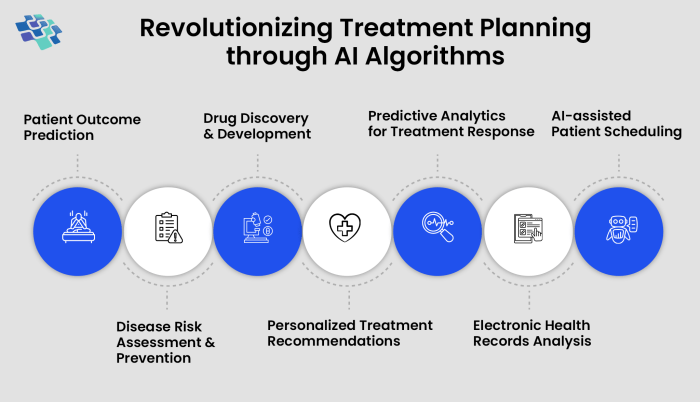
AI and data analytics are transforming personalized health plans by analyzing vast amounts of data to provide tailored recommendations and insights. These technologies enable healthcare providers to create more personalized treatment plans based on individual health data, leading to better outcomes and improved patient experiences.
Wearable Devices and Health Apps
Wearable devices and health apps have become essential tools for monitoring and managing personalized health plans. These devices can track various health metrics in real-time, such as heart rate, sleep patterns, and physical activity, allowing individuals to stay informed about their health status and make informed decisions about their well-being.
Telemedicine and Virtual Consultations
Telemedicine and virtual consultations have been integrated into personalized health plans to provide convenient access to healthcare services remotely. Through virtual appointments, individuals can consult healthcare providers, receive medical advice, and monitor their health conditions from the comfort of their homes, enhancing the accessibility and efficiency of personalized care.
Innovative Technologies
Innovative technologies like remote patient monitoring systems, predictive analytics, and personalized medicine platforms are revolutionizing personalized health plans. These technologies enable proactive interventions, early detection of health issues, and personalized treatment approaches, ultimately empowering individuals to take control of their health and well-being like never before.
Data Privacy and Security in Personalized Health Plans
Data privacy and security are crucial aspects of personalized health plans, as they involve storing and sharing sensitive personal health information. Ensuring the protection of this data is essential to maintain trust and confidentiality between patients and healthcare providers.
Importance of Data Privacy and Security
Personalized health plans often contain detailed information about an individual's medical history, genetic data, and lifestyle choices. If this data falls into the wrong hands, it can lead to identity theft, insurance fraud, or other malicious activities. Therefore, robust data privacy and security measures are necessary to safeguard this sensitive information.
- Implementing encryption techniques to protect data both at rest and in transit.
- Regularly updating security protocols and software to prevent cyberattacks.
- Training staff on data security best practices to minimize human errors.
Risks and Challenges
Storing and sharing personal health data in personalized health plans pose several risks and challenges. These include potential data breaches, unauthorized access, and the misuse of information for targeted advertising or discriminatory practices. Healthcare organizations must address these risks proactively to maintain compliance with data protection laws.
- Unauthorized access to sensitive health information leading to privacy violations.
- Data breaches resulting in financial losses and reputational damage for healthcare providers.
- Regulatory fines and penalties for non-compliance with data protection laws.
Regulations and Compliance Requirements
Healthcare organizations handling personalized health data must adhere to strict regulations and compliance requirements to protect sensitive information. Laws such as the Health Insurance Portability and Accountability Act (HIPAA) in the United States Artikel guidelines for safeguarding patient data and ensuring privacy.
- Obtaining explicit consent from patients before sharing their health information.
- Implementing access controls and audit trails to monitor data usage and prevent unauthorized disclosure.
- Regularly conducting security assessments and audits to identify vulnerabilities and mitigate risks.
Best Practices for Data Privacy and Security
To ensure data privacy and security in personalized health plans, healthcare organizations can adopt best practices that prioritize the protection of sensitive information. By implementing robust security measures and compliance frameworks, organizations can mitigate risks and build trust with patients.
- Encrypting data both at rest and in transit to prevent unauthorized access.
- Implementing multi-factor authentication to verify the identity of users accessing health information.
- Regularly training staff on data security protocols and privacy practices to prevent breaches.
Personalized Nutrition and Fitness in Health Plans
Personalized nutrition and fitness play a crucial role in personalized health plans by tailoring diet and exercise recommendations to individual needs and goals. This approach takes into account factors such as genetics, biomarkers, and personal preferences to optimize overall health and well-being.
Integration of Personalized Nutrition Plans
Personalized nutrition plans are integrated into personalized health plans through the analysis of genetic information and biomarkers. By understanding an individual's unique genetic makeup and specific biomarkers, healthcare providers can recommend tailored diet plans that address nutritional deficiencies, food sensitivities, and metabolic factors.
- Genetic testing helps identify genetic variations that may impact nutrient metabolism and absorption, guiding the selection of foods that best suit an individual's genetic profile.
- Biomarkers such as cholesterol levels, blood sugar levels, and inflammation markers provide valuable insights into an individual's current health status and help determine dietary interventions to improve overall health.
Role of Genetic Testing and Biomarkers
Genetic testing and biomarkers play a significant role in designing personalized nutrition and fitness plans by providing insights into how an individual's body responds to specific nutrients and exercise. These insights enable healthcare providers to create personalized recommendations that align with an individual's genetic predispositions and health goals.
- Genetic testing can reveal information about nutrient metabolism, food intolerances, and dietary requirements based on an individual's genetic profile.
- Biomarkers help monitor the effectiveness of nutrition and fitness interventions, allowing for adjustments to be made to optimize health outcomes.
Impact of Personalized Nutrition and Fitness
Personalized nutrition and fitness have a profound impact on overall health and well-being by promoting optimal nutrition, physical activity, and lifestyle habits tailored to individual needs. By incorporating personalized nutrition and fitness recommendations into health plans, individuals can achieve better health outcomes, improved energy levels, and enhanced quality of life.
- Personalized fitness routines take into account an individual's fitness level, health conditions, and preferences to create tailored exercise programs that support their health goals.
- Optimized nutrition plans based on genetic testing and biomarkers help individuals make informed food choices that support their unique dietary needs and promote overall health.
Closing Summary
In conclusion, the future of personalized health plans presents a promising landscape of individualized care, technological advancements, and enhanced well-being. As we navigate this evolving field, the possibilities for improved health outcomes are endless.
Q&A
How are personalized health plans different from traditional health plans?
Personalized health plans are tailored to individual needs and preferences, focusing on holistic well-being rather than a one-size-fits-all approach.
What technologies are shaping the future of personalized health plans?
Technologies such as AI, data analytics, wearable devices, and telemedicine play pivotal roles in the advancement of personalized health plans.
How important is data privacy and security in personalized health plans?
Data privacy and security are crucial in personalized health plans to safeguard sensitive health information and ensure compliance with regulations.
How do personalized nutrition and fitness plans contribute to overall health?
Personalized nutrition and fitness plans are designed to meet individual health goals, optimize well-being, and enhance overall health outcomes.

