

As we delve into the realm of energy management, one cannot overlook the transformative impact of smart grids. These innovative systems are revolutionizing the way we harness and distribute energy, paving the way for a more efficient and sustainable future.
From optimizing consumption to integrating renewable sources, smart grids are at the forefront of reshaping the energy landscape.
What are smart grids?
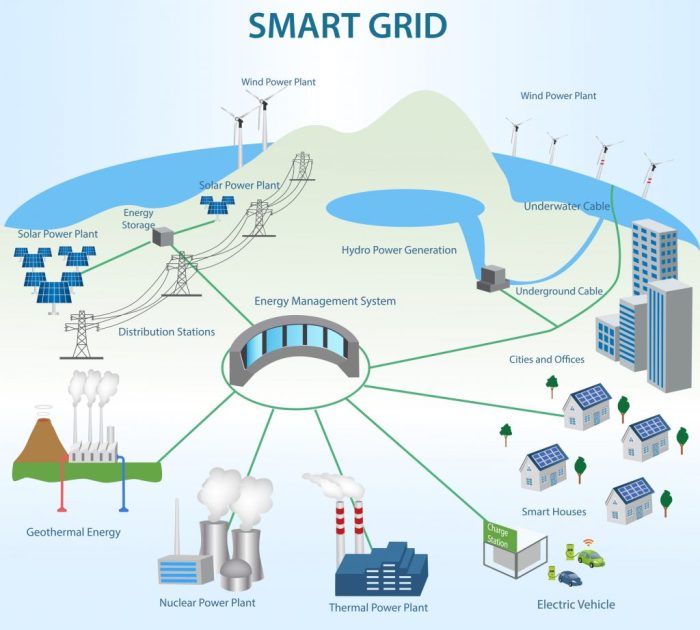
Smart grids are modernized electricity grids that utilize digital communication technology to monitor and manage the flow of electricity efficiently. They play a crucial role in energy management by enhancing the integration of renewable energy sources and enabling better control over energy consumption.
Role of Smart Grids in Energy Management
Smart grids differ from traditional energy grids in their ability to collect and analyze data in real-time, allowing for more precise monitoring and management of energy flow. The components and technologies involved in smart grids include advanced metering systems, sensors, automation systems, and communication networks.
Benefits of Smart Grids in Energy Management
- Improved efficiency and reliability in energy distribution
- Enhanced grid flexibility and resilience
- Cost savings through optimized energy use
- Reduced environmental impact by integrating renewable energy sources
Impact on Renewable Energy Integration
Smart grids enable better integration of renewable energy sources by balancing supply and demand in real-time. They support the transition to a more sustainable energy mix by facilitating the use of solar, wind, and other clean energy sources.
Demand Response and Load Management
- Facilitation of demand response programs for peak shaving
- Importance of load management in optimizing energy consumption
- Examples of load balancing through smart grid technologies
Grid Resilience and Cybersecurity
Grid resilience is crucial in ensuring the stability and reliability of energy systems. Smart grids enhance security and reliability through advanced cybersecurity measures that protect against cyber threats and intrusions.
Consumer Empowerment and Engagement
Smart grids empower consumers to monitor and control their energy usage, leading to increased awareness and informed decision-making. The use of smart meters and real-time data promotes consumer engagement and encourages energy conservation.
Ending Remarks
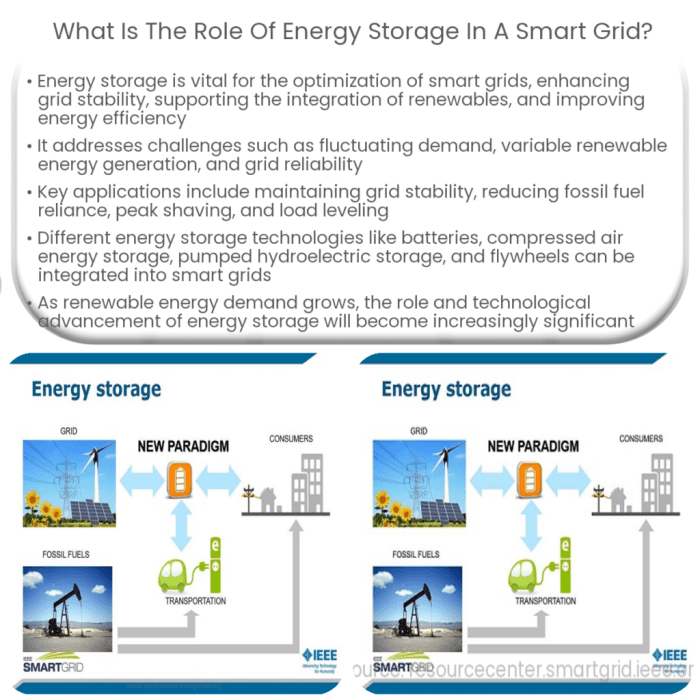
In conclusion, the evolution of smart grids in energy management represents a pivotal shift towards a greener, more resilient energy infrastructure. By enhancing efficiency, promoting consumer engagement, and bolstering cybersecurity measures, smart grids hold the key to a more sustainable energy future.
FAQ Summary
What are the key components of smart grids?
Smart grids consist of advanced metering infrastructure, automated control systems, and communication networks to efficiently manage energy distribution.
How do smart grids improve energy efficiency?
Smart grids enable real-time monitoring, optimizing energy flow, reducing wastage, and promoting energy conservation among consumers.
What role do smart grids play in renewable energy integration?
Smart grids facilitate the seamless integration of renewable energy sources by balancing supply and demand, ensuring grid stability and reliability.
How do smart grids enhance consumer empowerment?
Smart grids empower consumers by providing real-time data on energy consumption, enabling them to make informed decisions and actively participate in energy management.

