

Exploring the realm of Electric aircraft technology and market outlook unveils a fascinating landscape of innovation and growth. From the essential components driving electric propulsion to the market trends shaping the industry, this narrative delves deep into the dynamic world of electric aviation.
As we navigate through the advancements in battery technology and the environmental impact of electric aircraft, a clearer picture emerges of the transformative potential these innovations hold for the future of aviation.
Overview of Electric Aircraft Technology
Electric aircraft technology is revolutionizing the aviation industry by integrating innovative components that enable electric propulsion systems to power aircraft. This technology offers numerous benefits, including reduced emissions, lower operating costs, and enhanced efficiency compared to traditional combustion engines. However, there are also challenges that engineers and manufacturers are working to overcome to further advance the development of electric aircraft technology.
Key Components of Electric Aircraft Technology
Electric aircraft technology comprises several key components that work together to enable electric propulsion. These components include electric motors, power electronics, batteries, and energy management systems. Electric motors convert electrical energy into mechanical power to drive the aircraft's propellers or fans.
Power electronics control the flow of electricity between the batteries and the electric motors, ensuring efficient power distribution. Batteries store the electrical energy needed to power the aircraft, providing a clean and sustainable energy source. Energy management systems monitor and optimize the use of electrical power throughout the aircraft, maximizing efficiency and performance.
Benefits of Using Electric Propulsion in Aircraft
The adoption of electric propulsion in aircraft offers various benefits, such as reduced carbon emissions and noise pollution, lower operating costs, and improved fuel efficiency. Electric propulsion systems produce zero emissions during operation, contributing to a cleaner and more sustainable aviation industry.
Additionally, electric aircraft have fewer moving parts than traditional combustion engines, resulting in lower maintenance costs and increased reliability. The efficiency of electric propulsion systems also allows for longer flight durations and reduced fuel consumption, making electric aircraft a cost-effective and environmentally friendly alternative to conventional aircraft.
Challenges in the Development of Electric Aircraft Technology
Despite the numerous advantages of electric aircraft technology, there are challenges that need to be addressed to accelerate its development and widespread adoption. One of the primary challenges is the limited energy density of current battery technologies, which affects the range and performance of electric aircraft.
Engineers are continuously researching and developing advanced battery technologies to increase energy density and alleviate this limitation. Another challenge is the infrastructure required to support electric aircraft, including charging stations and battery swapping facilities. The aviation industry is working to establish the necessary infrastructure to enable the seamless operation of electric aircraft worldwide.
Market Trends in Electric Aircraft Industry
The electric aircraft industry is experiencing rapid growth and innovation, driven by advancements in technology and increasing environmental concerns. Let's delve into the current market size, key players, and regulatory environment shaping the industry.
Current Market Size and Growth Projections
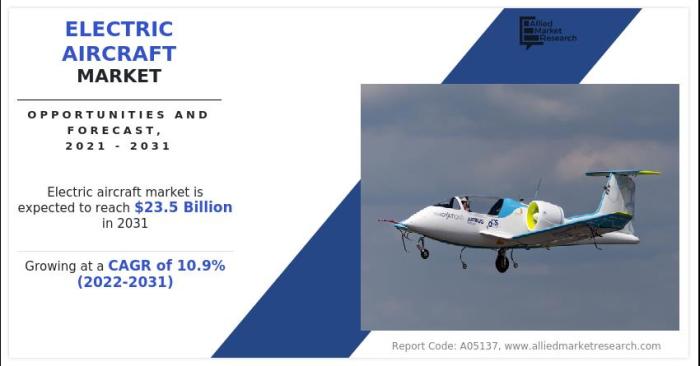
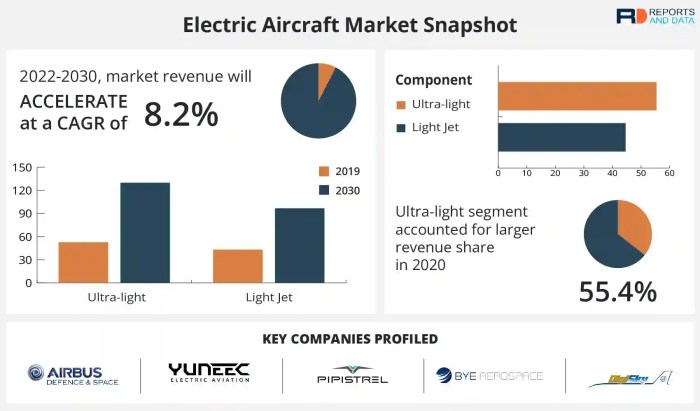
The electric aircraft market is projected to grow significantly in the coming years. According to a report by Research and Markets, the market size is expected to reach $29.3 billion by 2027, with a CAGR of 9.2% from 2020 to 2027.
This growth is fueled by the rising demand for sustainable aviation solutions and the development of advanced electric propulsion systems.Key Players in the Electric Aircraft IndustrySeveral key players are driving innovation in the electric aircraft industry. Companies like Airbus, Boeing, and Zunum Aero are at the forefront of developing electric propulsion technologies and hybrid-electric aircraft.
These companies are investing heavily in research and development to bring electric aircraft to the mainstream market.Regulatory Environment ImpactThe regulatory environment plays a crucial role in shaping the growth of electric aircraft. Governments around the world are implementing policies to promote the adoption of electric aviation, such as tax incentives for electric aircraft manufacturers and operators.
Additionally, regulatory bodies are working to establish safety standards and certification processes for electric aircraft to ensure their airworthiness.Overall, the electric aircraft industry is poised for significant growth in the coming years, fueled by technological advancements, environmental concerns, and supportive regulatory frameworks.
Advancements in Battery Technology for Electric Aircraft
Battery technology plays a crucial role in the development of electric aircraft as it directly impacts the range, performance, and overall efficiency of these aircraft. Advancements in battery technology are essential to make electric aviation more viable and sustainable.
Types of Batteries Used in Electric Aircraft
There are different types of batteries used in electric aircraft, with the most common ones being lithium-ion batteries and solid-state batteries. Each type has its own set of advantages and limitations.
- Lithium-ion Batteries:
- Lithium-ion batteries are currently the most widely used batteries in electric aircraft due to their high energy density and relatively low weight.
- They offer a good balance between energy storage capacity and weight, making them suitable for aviation applications.
- However, lithium-ion batteries are prone to thermal runaway and have limited cycle life, which can affect their overall reliability.
- Solid-State Batteries:
- Solid-state batteries are a promising alternative to lithium-ion batteries as they offer higher energy density, improved safety, and longer cycle life.
- These batteries use solid electrolytes instead of liquid electrolytes, reducing the risk of thermal runaway and enhancing overall safety.
- Research is ongoing to further improve the performance and scalability of solid-state batteries for electric aircraft applications.
Ongoing Research and Innovations
Ongoing research and innovations are focused on enhancing battery efficiency, energy storage capacity, and overall performance for electric aircraft. Some of the key areas of development include:
- Increasing Energy Density:
- Researchers are working on developing batteries with higher energy density to extend the range and endurance of electric aircraft.
- Improving energy density will allow electric aircraft to carry more payload while maintaining efficiency.
- Enhancing Safety:
- Efforts are being made to enhance battery safety through the use of advanced materials, designs, and thermal management systems.
- Improving safety features will minimize the risk of battery fires or failures, ensuring the reliability of electric aircraft.
- Optimizing Charging and Discharging:
- Researchers are exploring ways to optimize the charging and discharging processes of batteries to reduce charging times and improve overall efficiency.
- Efficient charging and discharging will enable faster turnaround times for electric aircraft, making them more practical for commercial operations.
Environmental Impact of Electric Aircraft
Electric aircraft technology offers several environmental benefits compared to traditional fuel-powered aircraft. These benefits include a significant reduction in carbon emissions and noise pollution, along with the potential to contribute to sustainable aviation practices.
Reduction in Carbon Emissions
Electric aircraft produce zero emissions during flight, which helps reduce the overall carbon footprint of the aviation industry. By transitioning to electric propulsion systems, airlines can significantly lower their greenhouse gas emissions and combat climate change effectively.
Decrease in Noise Pollution
Electric aircraft are quieter than conventional aircraft powered by jet engines. This reduction in noise pollution can lead to improved quality of life for people living near airports and reduce the impact of aviation noise on local communities.
Contribution to Sustainable Aviation Practices
The adoption of electric aircraft technology can play a crucial role in promoting sustainable aviation practices. By using renewable energy sources to charge electric aircraft, airlines can further reduce their environmental impact and work towards a more sustainable future for the aviation industry.
Wrap-Up
In conclusion, the journey through Electric aircraft technology and market outlook illuminates a path towards sustainable and efficient air travel. With ongoing developments and a growing market presence, the prospects for electric aircraft technology are indeed electrifying.
Questions and Answers
What are the key components of electric aircraft technology?
The key components include electric motors, power electronics, and batteries that enable electric propulsion.
How do electric aircraft benefit from using electric propulsion?
Electric propulsion offers reduced emissions, lower operating costs, and quieter operations compared to traditional fuel-powered aircraft.
Who are some of the key players in the electric aircraft industry?
Key players include companies like Airbus, Boeing, and startups like Joby Aviation and Lilium.
What advancements are being made in battery technology for electric aircraft?
Ongoing research focuses on enhancing battery efficiency, energy storage capacity, and exploring new battery technologies like solid-state batteries.
How do electric aircraft contribute to sustainable aviation practices?
Electric aircraft help reduce carbon emissions, noise pollution, and pave the way for a more environmentally friendly aviation sector.

