

As Health-focused smart home technology takes center stage, this opening passage beckons readers into a world crafted with good knowledge, ensuring a reading experience that is both absorbing and distinctly original.
In recent years, the integration of health-focused smart home technology has revolutionized the way we approach well-being within our living spaces. From monitoring vital signs to personalized health insights, these devices offer a glimpse into a future where our homes actively contribute to our overall health.
Overview of Health-focused Smart Home Technology
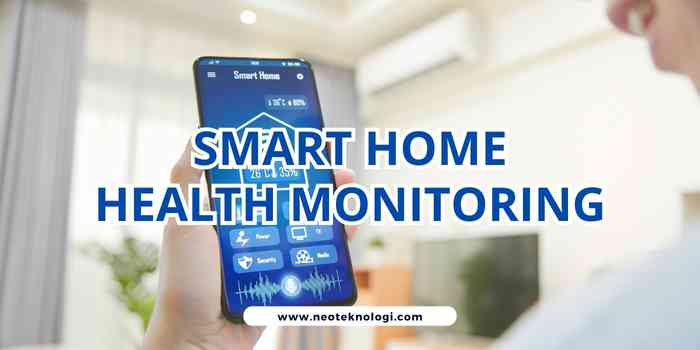
Smart home technology has advanced significantly in recent years, offering a wide range of solutions to make our lives more convenient and efficient. Health-focused smart home technology takes this a step further by integrating features specifically designed to promote health and wellness.
One of the key benefits of incorporating health-focused technology into a smart home is the ability to monitor and manage health-related data in real-time. This can include tracking vital signs, activity levels, sleep patterns, and more, providing valuable insights into one's overall health and well-being.
Key Features of Health-focused Smart Home Technology
- Remote Health Monitoring: Health-focused smart home devices can track and monitor various health metrics, allowing users to keep tabs on their well-being without the need for frequent doctor visits.
- Personalized Health Recommendations: Some smart home systems can analyze health data and provide personalized recommendations for improving health and wellness, such as exercise routines or dietary adjustments.
- Emergency Response Systems: In the event of a health emergency, health-focused smart home technology can automatically alert emergency services or designated contacts, ensuring prompt assistance when needed.
- Integration with Wearable Devices: Many health-focused smart home systems can sync with wearable devices like smartwatches or fitness trackers, providing a comprehensive view of one's health data across multiple platforms.
- Medication Reminders: Some smart home devices can help users stay on top of their medication schedule by sending reminders and alerts when it's time to take a dose.
Types of Health-focused Smart Home Devices
Smart home technology has revolutionized the way we take care of our health, offering a variety of devices that can monitor, track, and improve our well-being. Let's explore some of the common health-focused smart home devices available in the market and how they contribute to a healthier lifestyle.
1. Smart Scales
Smart scales not only measure weight but also provide insights into body composition, including muscle mass, body fat percentage, and more. These devices sync with health apps to track progress and set goals, promoting better weight management and overall health.
2. Smart Thermostats
Smart thermostats regulate indoor temperature and humidity levels, creating a comfortable environment that promotes better sleep and respiratory health. They can also detect air quality issues and provide recommendations for improvement.
3. Smart Blood Pressure Monitors
Smart blood pressure monitors allow users to track their blood pressure levels at home, enabling early detection of hypertension and reducing the risk of heart disease. These devices can store data for easy sharing with healthcare providers.
4. Smart Air Purifiers
Smart air purifiers filter out pollutants, allergens, and other harmful particles from the air, creating a cleaner and healthier indoor environment. They can be controlled remotely and provide real-time air quality updates.
5. Smart Sleep Trackers
Smart sleep trackers monitor sleep patterns, including duration and quality of sleep, to help users improve their sleep hygiene and overall well-being. They can offer personalized insights and recommendations for better sleep habits.
6. Smart Water Bottles
Smart water bottles track daily water intake and remind users to stay hydrated throughout the day. Proper hydration is essential for overall health, and these devices help users maintain optimal hydration levels.
7. Smart Fitness Trackers
Smart fitness trackers monitor physical activity, heart rate, calories burned, and more, encouraging users to stay active and reach their fitness goals. These devices provide motivation and feedback to support a healthy lifestyle.
8. Smart Medication Dispensers
Smart medication dispensers remind users to take their medications on time, ensuring adherence to treatment plans and improving health outcomes. They can also alert caregivers or healthcare providers in case of missed doses.
Integration of Health Data and Monitoring
Smart home devices play a crucial role in collecting and monitoring health data, providing valuable insights for personalized health management.
Collection of Health Data
Health-focused smart home devices gather data through various sensors and technologies such as wearables, smart scales, blood pressure monitors, and smart thermometers. These devices track vital signs, physical activity, sleep patterns, and other health metrics to provide a comprehensive overview of an individual's well-being.
Importance of Integrating Health Data
Integrating health data from different devices allows for a holistic view of an individual's health status. By analyzing data collectively, these devices can offer personalized recommendations, identify trends, and detect potential health issues early on. This integration enables users to take proactive measures to improve their health and well-being.
Real-Time Monitoring and its Impact
Real-time monitoring of health metrics provides immediate feedback on changes in vital signs or health parameters. This instant information can alert users to potential health risks, prompting them to take necessary actions or seek medical attention promptly. The continuous monitoring offered by smart home devices empowers individuals to make informed decisions about their health and lifestyle choices.
Security and Privacy Concerns
In the realm of health-focused smart home technology, security and privacy concerns are paramount when it comes to the storage and transmission of sensitive health data. As these devices collect and process personal information, it is crucial to address potential risks and safeguard user data.
Data Encryption and Secure Networks
One of the key ways to secure health-focused smart home technology is through data encryption and ensuring the use of secure networks. By encrypting health data both at rest and in transit, users can mitigate the risk of unauthorized access to their information.
Multi-factor Authentication
Implementing multi-factor authentication adds an extra layer of security to prevent unauthorized access to health data stored on smart home devices. By requiring users to provide multiple forms of verification, such as a password and a unique code sent to their phone, the likelihood of a data breach is reduced.
Regular Software Updates
Regularly updating the software on health-focused smart home devices is crucial in addressing security vulnerabilities and protecting against potential threats. Manufacturers often release patches and updates to address known vulnerabilities, so staying up to date is essential for maintaining a secure system.
Regulatory Compliance
Regulations such as the Health Insurance Portability and Accountability Act (HIPAA) in the United States play a vital role in protecting user data in the context of health-focused smart home devices. These regulations set standards for the privacy and security of health information, ensuring that manufacturers and service providers adhere to strict guidelines to safeguard user data.
Outcome Summary
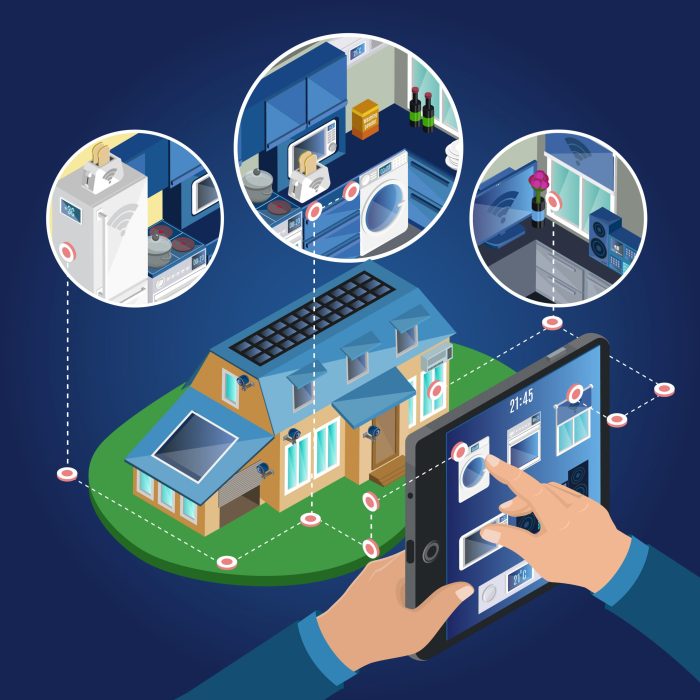
In conclusion, the landscape of health-focused smart home technology is expanding rapidly, offering innovative solutions that cater to our well-being. Embracing these advancements not only enhances our daily lives but also paves the way for a healthier future.
Essential Questionnaire
How is health data collected by smart home devices?
Health data is usually collected through sensors embedded in devices or wearable gadgets that track various metrics like heart rate, sleep patterns, and activity levels.
What are some common security tips for securing health-focused smart home technology?
Some security tips include using strong, unique passwords, regularly updating devices' software, and ensuring the encryption of data transmission.

