

Embark on a journey into the future of transportation with Smart car technology: the future of mobility. Discover how cutting-edge advancements are reshaping the way we move, enhancing efficiency, safety, and sustainability in ways we never imagined.
Delve deeper into the world of smart car technology and explore the possibilities that lie ahead in this dynamic and ever-evolving industry.
Overview of Smart Car Technology
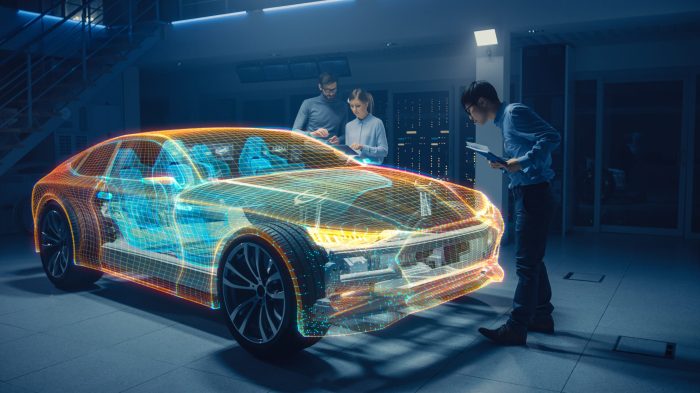
Smart car technology is the integration of advanced systems and features in vehicles to enhance efficiency, safety, and overall driving experience. These technologies are paving the way for the future of mobility by revolutionizing the automotive industry and transforming the way we travel.
Revolutionizing the Automotive Industry
- Autonomous Driving: Smart cars are equipped with sensors and artificial intelligence that enable them to navigate roads and traffic without human intervention. This technology is drastically changing the way we perceive transportation and has the potential to reduce accidents caused by human error.
- Connected Vehicles: Smart cars can communicate with each other and with infrastructure, leading to improved traffic flow, reduced congestion, and enhanced road safety. This connectivity also enables features like real-time navigation updates and remote vehicle monitoring.
- Electric Vehicles: Smart car technology includes electric powertrains that reduce emissions and dependence on fossil fuels. Electric vehicles are becoming increasingly popular due to their environmental benefits and lower operating costs.
Benefits of Smart Car Technology
- Enhanced Safety: Smart car features such as collision avoidance systems, adaptive cruise control, and lane-keeping assist help prevent accidents and protect drivers and passengers on the road.
- Improved Efficiency: Smart cars optimize fuel consumption, reduce emissions, and streamline traffic flow, leading to more efficient transportation systems and reduced environmental impact.
Comparison with Traditional Vehicles
- Features: Smart cars offer advanced features like self-parking, automatic emergency braking, and voice-activated controls that traditional vehicles lack, enhancing convenience and safety.
- Functionality: Smart cars can communicate with other vehicles and infrastructure, providing real-time traffic information, predictive maintenance alerts, and remote software updates, offering a level of connectivity and intelligence that traditional vehicles do not possess.
Key Components of Smart Car Technology
Smart car technology relies on several key components that work together seamlessly to enable advanced capabilities in modern vehicles. These components include sensors, artificial intelligence systems, and connectivity features that revolutionize the driving experience.
Sensors
Sensors play a crucial role in smart car technology by collecting data from the vehicle's surroundings. These sensors can detect obstacles, monitor road conditions, and assist in parking maneuvers. By utilizing radar, lidar, cameras, and ultrasonic sensors, smart cars can navigate safely and autonomously.
Artificial Intelligence Systems
Artificial intelligence (AI) systems act as the brains behind smart car technology, processing the data collected by sensors to make real-time decisions. AI algorithms enable features like lane-keeping assist, adaptive cruise control, and autonomous driving capabilities. These systems continuously learn and adapt to improve performance and safety on the road.
Connectivity
Connectivity is essential for smart cars to communicate with other vehicles, infrastructure, and cloud-based services. Through technologies like 5G networks and Vehicle-to-Everything (V2X) communication, smart cars can share data about traffic conditions, road hazards, and navigation updates. This real-time information enhances safety, efficiency, and convenience for drivers.
Advancements in Autonomous Driving
Autonomous driving technology has seen significant advancements in recent years, revolutionizing the way we think about mobility. Self-driving cars are no longer a futuristic concept but a reality that is shaping the future of transportation.
Levels of Autonomy in Smart Cars
- Level 1: Driver Assistance - Features like lane-keeping assistance and adaptive cruise control are available to assist the driver but still require human intervention.
- Level 2: Partial Automation - Vehicles can control both steering and acceleration/deceleration under certain conditions, but the driver must remain engaged and monitor the environment.
- Level 3: Conditional Automation - Cars can manage most aspects of driving in specific conditions, allowing the driver to disengage from driving tasks but must be ready to take over when prompted.
- Level 4: High Automation - Vehicles can operate autonomously in most scenarios without human intervention, but may still have limitations in certain environments or situations.
- Level 5: Full Automation - The highest level where vehicles can operate independently in all conditions without the need for human input.
Challenges and Opportunities
- Challenges: Safety concerns, regulatory hurdles, ethical dilemmas, and cybersecurity risks are some of the challenges that need to be addressed before widespread adoption of autonomous driving technology.
- Opportunities: Improved road safety, increased mobility for individuals with disabilities or elderly populations, reduced traffic congestion, and enhanced efficiency in transportation systems are some of the opportunities presented by autonomous driving.
Companies Leading the Way
- Tesla: Known for its Autopilot feature, Tesla has been at the forefront of developing autonomous driving technology and pushing the boundaries of what is possible in self-driving cars.
- Waymo: A subsidiary of Alphabet Inc., Waymo has been conducting extensive testing of autonomous vehicles and has launched commercial autonomous ride-hailing services in select cities.
- Uber: Although facing setbacks, Uber has invested heavily in autonomous driving technology and aims to incorporate self-driving cars into its ride-sharing platform.
Sustainability and Environmental Impact
Smart car technology plays a crucial role in promoting sustainability and reducing the environmental impact of transportation. By incorporating innovative features and technologies, smart cars contribute to a more eco-friendly mobility solution.
Electric and Hybrid Technologies in Smart Cars
Electric and hybrid technologies are key components of smart cars, offering a cleaner and more sustainable alternative to traditional gasoline-powered vehicles. These technologies reduce greenhouse gas emissions and dependence on fossil fuels, making smart cars a more environmentally friendly option.
Addressing Climate Change and Air Pollution
Smart car technology has the potential to address climate change and air pollution by promoting the use of cleaner energy sources and reducing harmful emissions. By optimizing driving patterns and enhancing energy efficiency, smart cars can help mitigate the negative impact of transportation on the environment.
Future of Sustainable Transportation
The future of sustainable transportation looks promising with the continued advancement of smart car technology. As more electric and hybrid vehicles hit the roads, the overall environmental impact of transportation is expected to decrease significantly. Smart car technology is paving the way for a greener and more sustainable future in the realm of transportation.
Final Conclusion
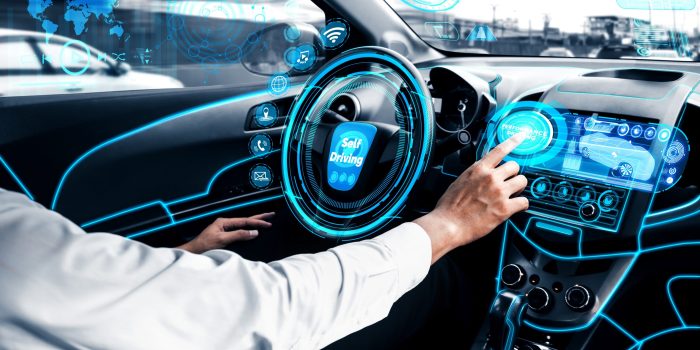
As we conclude our exploration of Smart car technology: the future of mobility, it becomes clear that the road ahead is paved with innovation and promise. The fusion of technology and mobility is set to revolutionize our daily lives, offering a glimpse into a future where convenience and sustainability go hand in hand.
FAQ Insights
How does smart car technology contribute to sustainability?
Smart car technology reduces environmental impact by incorporating electric and hybrid technologies for eco-friendly mobility solutions.
What are the key components of smart car technology?
Key components include sensors, AI systems, and connectivity, working together to enable advanced capabilities in smart cars.
Which companies are leading the way in developing autonomous smart car technology?
Companies like Tesla, Waymo, and GM are at the forefront of developing autonomous smart car technology.

