

Embark on a journey into the realm of smart electric meters and energy monitoring systems, where innovation meets efficiency in the world of electricity management. Delve into the intricacies of these technological marvels that are reshaping how we consume and monitor energy.
As we navigate through the details, you'll uncover the fascinating aspects that make smart electric meters and energy monitoring systems essential components of modern energy management.
Smart Electric Meters
Smart electric meters are advanced devices that measure and record the consumption of electricity in real-time. These meters provide detailed information on energy usage patterns, allowing consumers to monitor and manage their electricity consumption more efficiently.
Differences from Traditional Meters
Smart electric meters differ from traditional meters in several ways:
- Smart meters provide real-time data on energy consumption, while traditional meters require manual reading.
- Smart meters can communicate wirelessly with utility companies for remote monitoring and billing, eliminating the need for physical inspections.
- Smart meters offer detailed insights into energy usage patterns and can help identify opportunities for energy-saving practices.
Benefits of Smart Electric Meters
- Improved accuracy in billing due to real-time data collection.
- Enhanced energy management capabilities for consumers to track and reduce their electricity usage.
- Remote monitoring and control options for utility companies to optimize energy distribution.
Functionalities and Features
- Real-time monitoring of energy consumption.
- Automatic data transmission for billing and analysis.
- Ability to set energy usage alerts and goals.
- Integration with smart home systems for increased energy efficiency.
Energy Monitoring Systems
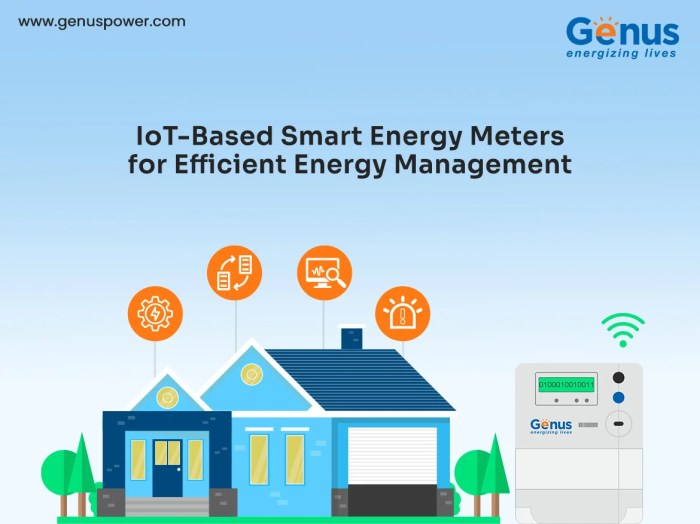
Energy monitoring systems play a crucial role in managing electricity consumption by providing real-time data on energy usage. These systems help individuals and businesses track their energy consumption patterns, identify areas of high usage, and make informed decisions to optimize energy efficiency.
Types of Energy Monitoring Systems
- Smart Plug-In Monitors: These devices plug into an electrical outlet and measure the energy consumption of individual appliances or devices.
- Whole-House Energy Monitors: Installed at the main electrical panel, these systems monitor the energy usage of an entire household or building.
- Cloud-Based Energy Management Systems: These systems collect and analyze energy data from various sources to provide comprehensive insights and recommendations for energy efficiency.
Technology Behind Energy Monitoring Systems
Energy monitoring systems typically utilize sensors, meters, and communication technologies to gather data on energy consumption. Smart meters, for example, can measure electricity usage at regular intervals and transmit this data wirelessly to a central system for analysis. By leveraging advanced data analytics and visualization tools, these systems can help users understand their energy usage patterns and make informed decisions to reduce waste and save on energy costs.
Integration of Smart Electric Meters and Energy Monitoring Systems
Smart electric meters can be seamlessly integrated with energy monitoring systems to provide consumers with real-time data on their energy consumption. This integration allows for more efficient monitoring, analysis, and management of energy usage, leading to various benefits for consumers and the environment.
Benefits of Integration
- Real-time Data: By combining smart meters with energy monitoring systems, consumers can access real-time data on their energy usage, allowing them to make informed decisions about their consumption habits.
- Cost Savings: With accurate data on energy consumption, consumers can identify areas where they can reduce usage and save on their energy bills.
- Improved Energy Efficiency: The integration of these systems promotes energy efficiency by highlighting areas of wastage and enabling consumers to optimize their usage.
- Remote Monitoring: Consumers can remotely monitor their energy usage and make adjustments to reduce consumption even when they are not at home.
Data Analytics
Energy monitoring systems analyze the data collected by smart meters to provide insights into consumption patterns, peak usage times, and potential areas for improvement. By leveraging data analytics, consumers can track their energy usage trends, set energy-saving goals, and receive personalized recommendations on how to optimize their consumption.
Future Trends in Smart Metering and Energy Monitoring
Smart metering technology and energy monitoring systems are continuously evolving to meet the demands of a more sustainable and efficient energy landscape. Let's explore some of the potential future trends in this field.
Advancements in Smart Metering Technology
- Increased Data Granularity: Smart meters may evolve to provide even more detailed data on energy consumption patterns, allowing for more precise analysis and optimization.
- Integration with IoT Devices: Smart meters could be integrated with a wider range of Internet of Things (IoT) devices to enable more automated energy management and control.
- Enhanced Cybersecurity Measures: As smart meters become more interconnected, cybersecurity will be a crucial focus to ensure the protection of sensitive energy data.
Evolution of Energy Monitoring Systems
- Real-time Monitoring Capabilities: Energy monitoring systems may offer real-time monitoring capabilities, providing instantaneous feedback on energy usage and enabling prompt adjustments.
- Predictive Analytics: Advanced algorithms and machine learning could be employed to predict future energy consumption patterns, allowing for proactive energy management strategies.
- Enhanced Visualization Tools: Energy monitoring systems might incorporate more user-friendly visualization tools to help consumers better understand their energy usage and make informed decisions.
Innovations to Enhance Smart Electric Meters Efficiency
- Bi-Directional Communication: Smart meters could feature bi-directional communication capabilities to support two-way data exchange between utilities and consumers, enabling more dynamic energy management.
- Grid Integration: Smart meters may play a key role in grid integration, facilitating the seamless integration of renewable energy sources and ensuring grid stability.
- Energy Storage Integration: Integration with energy storage systems could enhance the efficiency of smart meters by enabling optimized energy storage and usage based on demand and pricing.
Role of Smart Metering and Energy Monitoring in Sustainable Energy Management
- Facilitating Demand Response Programs: Smart meters and energy monitoring systems can enable demand response programs, encouraging consumers to adjust their energy usage during peak times to alleviate strain on the grid.
- Promoting Energy Efficiency: By providing insights into energy consumption patterns, smart metering and energy monitoring systems can empower consumers to adopt more energy-efficient practices, contributing to overall sustainability.
- Enabling Smart Grid Technologies: Smart metering and energy monitoring are essential components of smart grid technologies, supporting the efficient integration of renewable energy sources and enabling a more resilient energy infrastructure.
Last Word
In conclusion, the landscape of energy monitoring and smart metering is evolving rapidly, offering a glimpse into a future where sustainability and efficiency go hand in hand. With advancements on the horizon, the potential for smarter energy consumption is brighter than ever.
FAQ Insights
How do smart electric meters differ from traditional meters?
Smart electric meters provide real-time data on energy consumption and offer remote monitoring capabilities, unlike traditional meters that require manual readings.
Can energy monitoring systems help in reducing electricity bills?
Yes, energy monitoring systems enable users to track their energy usage patterns and identify areas where consumption can be optimized, leading to potential savings on electricity bills.
What role do smart electric meters play in promoting energy efficiency?
Smart electric meters enable users to monitor their energy usage more effectively, allowing for adjustments that promote energy efficiency and conservation.

